

Sweat Tips & Concerns
11 Medications That Cause Sweating: What You Need To Know
2 Min Read | Date : 11/05/2025
We've all experienced those moments when we're feeling under the weather, lying in bed, and sweating more than usual. But did you know that excessive sweating can also be a side effect of certain medications? From antidepressants to pain relievers, a variety of medications can lead to increased perspiration.
Explore 11 common medications that cause sweating more than usual below.
What is drug-induced hyperhidrosis?
Hyperhidrosis, also known as excessive sweating, is the medical term used when someone sweats more than usual. You see, the human body sweats to cool down when it gets too hot, like when we play sports or hit up the sauna. But if you’re sweating when you’re not hot, there could be something else at play.
There are two types of hyperhidrosis: primary and secondary. Primary hyperhidrosis isn’t caused by another medical condition or side effects of medication—whereas secondary hyperhidrosis is.¹
11 medicines that can make you sweat
Wondering what drugs cause you to sweat profusely? Here are some of the most common prescription and non-prescription medications that can make you sweat more than usual.
1. ADHD stimulant medication
If you have ADHD, you may be prescribed a stimulant medication. These medications boost chemicals in the brain to help with attention span, impulsivity, and other symptoms. But they can also have sweaty side effects, especially at night, and could increase body odor.²
2. Antibiotics
Antibiotics target bacteria and viruses in the body. Although they’re helping you on the inside, they could cause side effects—like sweating more than usual.³
3. Antidepressants
Medications used to help treat depression, could cause excessive sweating.² In fact, more than 22% of adults in the U.S. who take antidepressants experience sweating as a side effect.⁴
4. Blood pressure medications
Blood pressure medications help reduce the water and salt in your body, relax your blood vessels, and reduce the force of your heartbeat. However, some of these blood pressure medications could also cause people to sweat more as a side effect.⁵
5. Cancer treatments and medication
It’s common for patients receiving cancer treatment, like radiation therapy, to experience hot flushes and night sweats, which can also continue after treatment for some.⁶
Hormone therapy medication, prostate cancer medication, opioids, and steroids may also be prescribed during these treatments, which could cause people to sweat more.⁶
6. Steroids
Steroids can raise your metabolism, affect hormone levels, and sometimes make you feel hot or flushed, which can all trigger sweating. This can happen during the day or at night and may be more noticeable during physical activity or in warm environments.⁷
7. Dermatology medication
Medicinal skincare to treat conditions such as acne or dandruff can trigger excessive sweating in some people, this includes medication used on the skin (topical), or taken orally, like tablets.⁵
8. Diabetes medication
If someone with diabetes takes too much insulin or other diabetes medication, their blood sugar levels can drop very low, which is known as hypoglycemia. This can cause excessive sweating by either triggering the automatic nervous system that controls digestion and sweating or releasing adrenaline that is also triggered by stress and anxiety.⁵
9. Gastrointestinal drugs
Some medications that you can take for gastrointestinal issues may come with sweaty side effects, including treatment for diarrhea, indigestion and heartburn, or treating nausea caused by chemotherapy.⁸
10. Hormone drugs
Hot flushes and night sweats are common side effects of hormonal therapy—this treatment could be used for breast-, prostate- or endometrial cancers. In fact, up to 75% of patients being treated for prostate cancer experience hot flashes.⁹
11. Pain medication
Have you ever come out in a sweat after taking pain medication? Some drugs that reduce pain can also make you sweat more, like opioids.⁵
What to do if medication is causing you to sweat
If you’re sweating more than usual and think your medication might be the reason, don’t panic—there are plenty of ways to manage it. Here’s what to do:
Speak to your healthcare provider
If your sweating started after taking new medication, check in with your healthcare professional. They can confirm whether it’s the cause and may suggest a dosage change or alternative treatment.
Choose breathable fabrics
Wear light, loose-fitting clothes made from natural fibers like cotton, bamboo, or linen. They help air circulate and prevent heat from getting trapped close to your skin.
Stay hydrated
Sweating means losing fluids—and your body needs those to function properly. Keep a water bottle handy and sip throughout the day to replace what you’ve lost.
Identify and avoid triggers
Pay attention to what makes your sweating worse. Things like caffeine, spicy foods, alcohol, and even stress can increase sweat production. Reducing or avoiding them can help.
Keep your environment cool
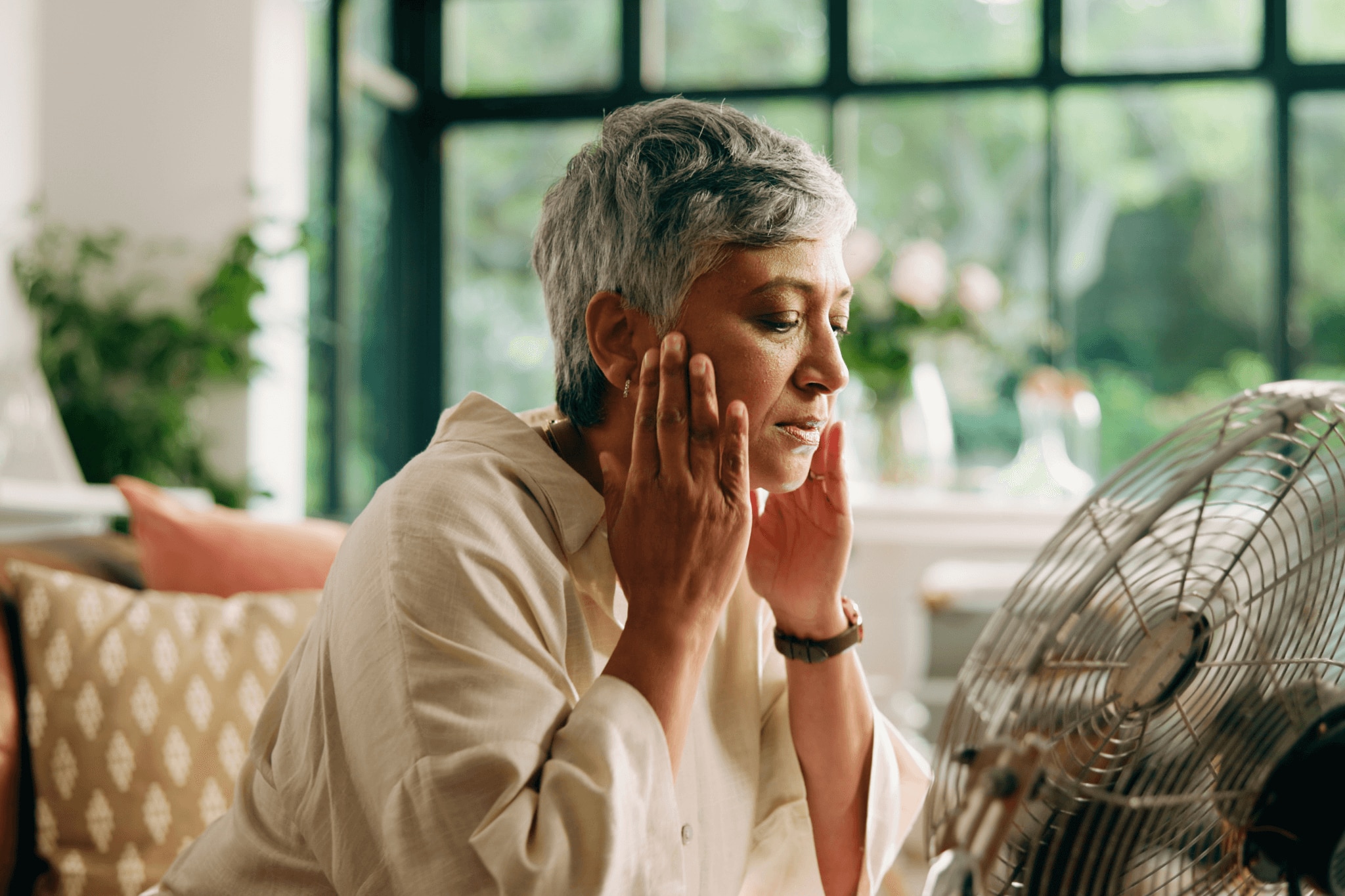
Open a window, use a fan, or switch on the air conditioning to help your body stay at a comfortable temperature.
Address stress and anxiety
Stress can make you sweat more. Try calming practices like meditation, journaling, or deep breathing to help manage it.
Use an effective antiperspirant
Antiperspirants work by forming a gel over your sweat glands, reducing the amount of sweat your body releases. For extra protection, try one of our Degree® Clinical Protection antiperspirants for advanced sweat and odor control.
FAQs
How long does medication-induced sweating last?
For some people, the sweating eases after a few days as the body adjusts. For others, it may last for as long as the medication is being taken. If it continues or becomes bothersome, speak to your healthcare provider for guidance.
Will the sweating go away on its own?
In many cases, yes. Once your body adapts to the medication (or when the course of treatment ends) the sweating often decreases naturally. However, if it’s affecting your sleep, comfort, or confidence, your doctor can help you find ways to manage it.
Why am I sweating after surgery?
The drugs in your system can raise your body temperature, and your body responds by sweating to cool down. This usually passes within a day or two. If you’re still experiencing sweating several days after surgery, contact your healthcare provider to rule out infection or complications.
Is it normal for steroids to make you feel hot?
Yes, steroids can cause excess sweating. Both anabolic steroids and corticosteroids, such as prednisone, can increase your metabolism and affect hormone levels—which may make you feel warmer or cause your body to produce more sweat than usual.¹⁰
If you’re taking prednisone or another corticosteroid, it’s also important to drink more water. Staying hydrated helps balance fluid levels, manage water retention, and keep your body cool.
Sweating is your body’s natural way of keeping you cool—but when it’s triggered by medication, it can feel a little less than comfortable. Whether it’s steroids, antidepressants, or another prescription, there are plenty of ways to manage it and feel more in control. Keep your cool, stay hydrated, and trust a hardworking antiperspirant like Degree to help you stay dry and confident through it all.
References
- Sweat Help. Two types of hyperhidrosis.
- What in the Brain. ADHD Medication, Antidepressants and Excessive Sweating. 2024.
- DermNet. Drug-induced hyperhidrosis. 2020.
- Sweat Help. Consequence of Taking Antidepressants: Excessive Sweating!
- Healthline. These Common Medications Can Make You Sweat More. 2023.
- Medline Plus. Cancer Treatments: Dealing with Hot Flashes and Night Sweats. 2024.
- Healthline. Night Sweat Causes and When You Should See a Doctor. 2025.
- GoodRX. 12 Drugs That Cause Excess Sweating. 2024.
- National Cancer Orginization. Hot Flashes and Night Sweats. 2025.
- My Crohns and Colitis Team. Sweating From Prednisone: 5 Tips To Reduce This Side Effect. 2025.
;Resize=(200,200))